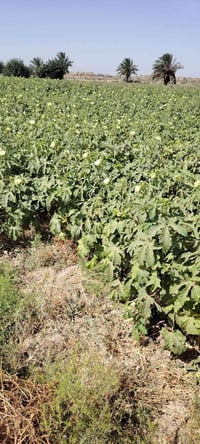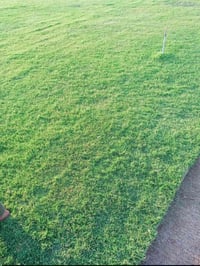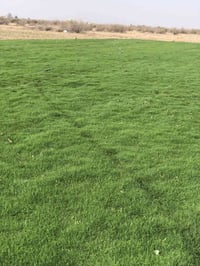
⛔غسل أو استصلاح الأرض المالحه ( الصبخه)
🍀 النباتات "الكانسة": الحل الطبيعي الذكي لتنظيف التربة من الملوحة!
هل تعتقد أن الأرض الملحية "ميتة"؟ 
الفكرة الذكية هي أن نزرع فيها نباتات لا تتحمل الملوحة فحسب، بل "تسحب" الأملاح من التربة وتخزنها في أنسجتها!
عندما نحصد هذه النباتات ونُبعدها عن الأرض، نكون قد أزلنا الأملاح فعلياً من تربتنا. 🔄

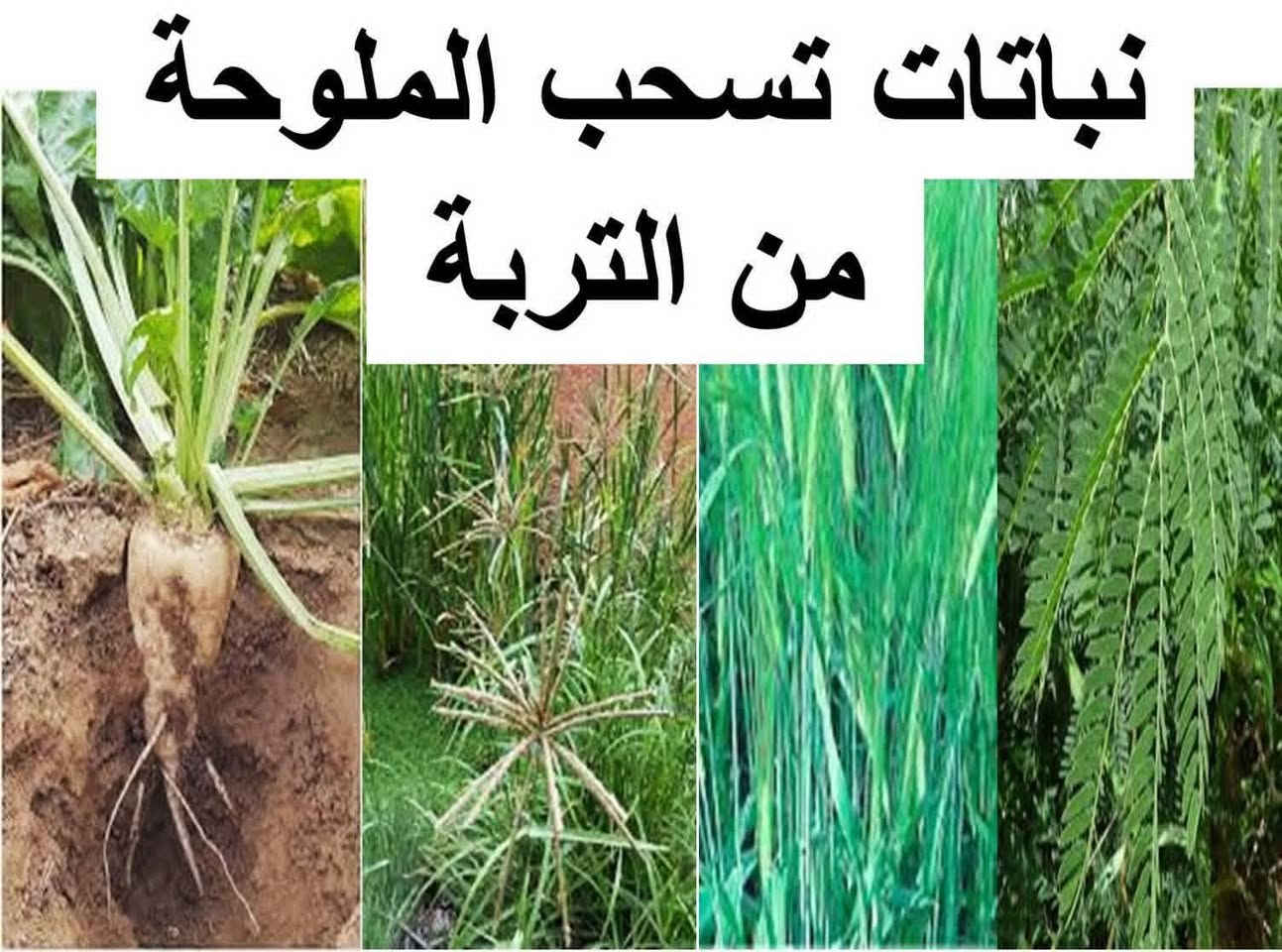
🛠️ قائمة "المكنسات الخضراء" المتخصصة:

بنجر السكر 🌻
"الملك" في امتصاص الصوديوم والكلوريد من أعماق التربة. 
جذوره تعمل كمحراث طبيعي لتحسين تهوية التربة الثقيلة.

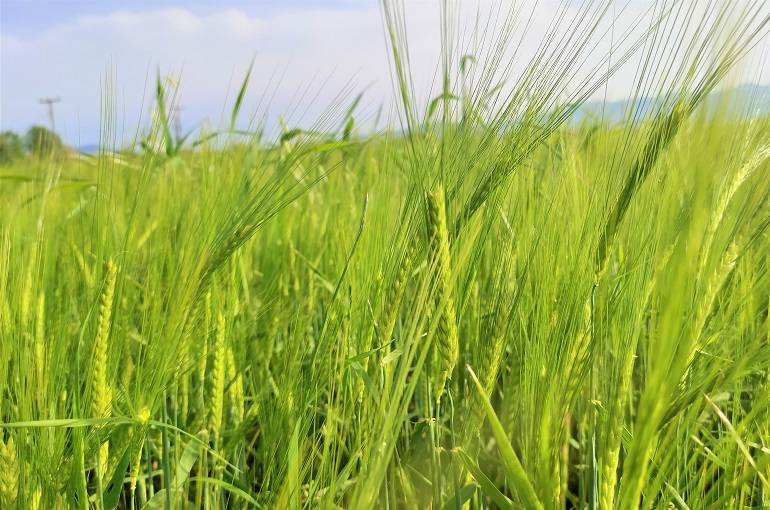
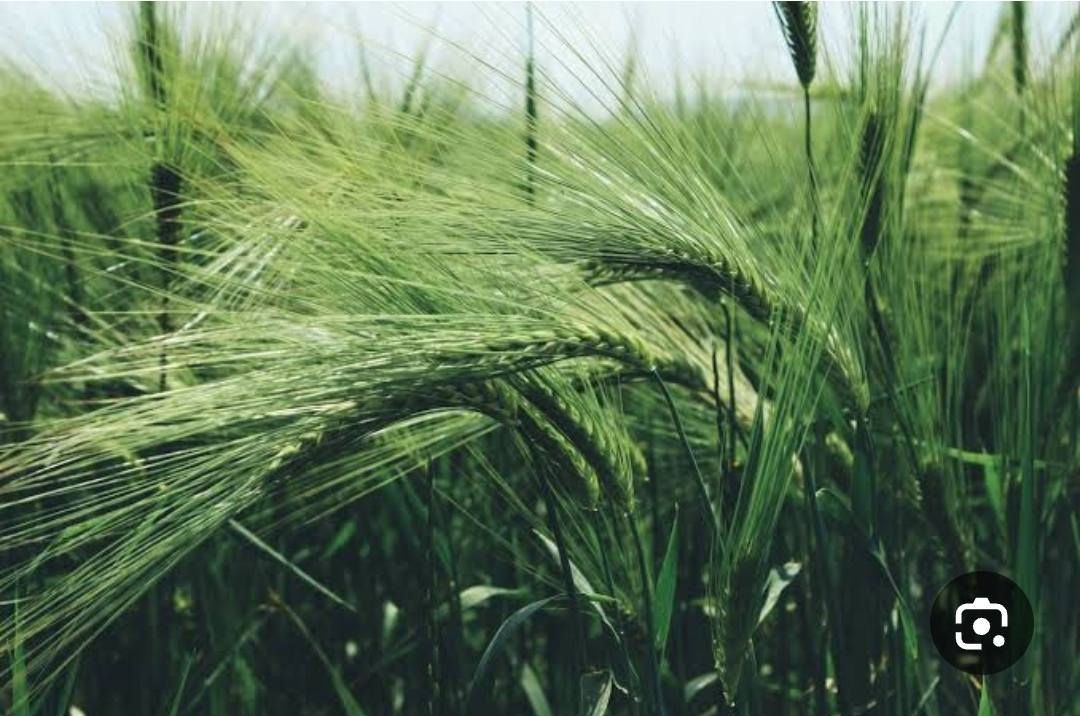
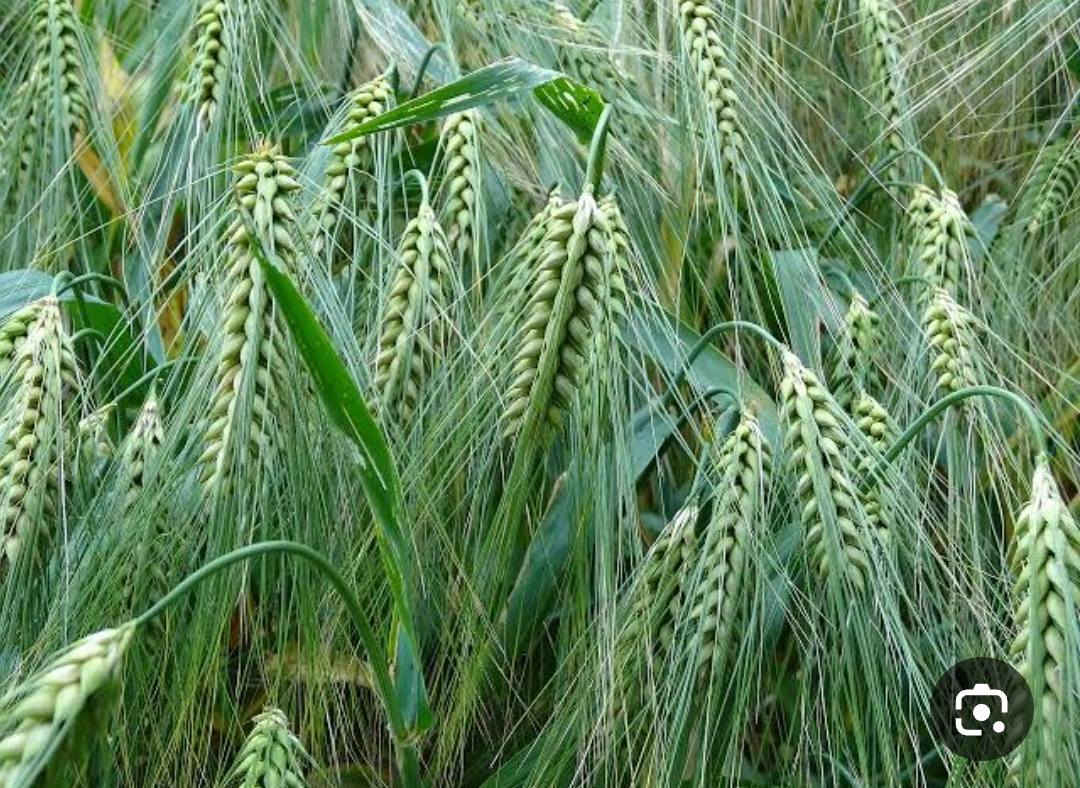
الشعير 🌾 
أكثر المحاصيل النجيلية تحملاً، يسحب أملاحاً كثيرة في فترة نموه القصيرة.
يفرز أحماضاً عضوية تذيب الكالسيوم وتساعد على طرد الصوديوم.

حشيشة الرودس 🪴 
يتحمل ملوحة عالية جداً (8000 جزء في المليون)، ومجموعه الجذري الكثيف يغير خواص التربة. 
يمكن حشه عدة مرات، وكل حشة تسحب كمية جديدة من الأملاح.

السيسبان 🪴
يتحمل الملوحة والقلوية والغرق، ويثبت النيتروجين في التربة. 
يُقلب في الأرض كسماد أخضر لتحسين الخصوبة وبنية التربة.

📈 مقارنة توجيهية لاختيار النبات المناسب:

بنجر السكر 🌻
دوره: سحب أيونات الصوديوم 
الأفضل للأراضي الطينية الثقيلة.

الشعير 🍀
دوره: غسيل سطحي وتفكيك 
الأفضل كبداية لأي أرض بكر (جديدة).

الرودس 
دوره: سحب مستمر وتحسين قوام 
ممتاز للأراضي الرملية الملحية.

السيسبان 
دوره: تخصيب + سحب أملاح 
يستخدم لتحسين خصوبة التربة الميتة.

💎 روشتة "الزراعة الذكية" لنجاح العملية:

الحصاد والإزالة الكاملة:
لا تترك بقايا النبات في الأرض! انقل المحصول بعيداً عن الموقع حتى لا تعود الأملاح للتربة بعد التحلل.

الري الغزير (الغسيل):
صاحب الزراعة برية غزيرة لدفع الأملاح المتبقية إلى طبقات أعمق بعيداً عن منطقة الجذور.

الدعم بالجبس الزراعي:
أضف الجِبس الزراعي لتسريع عملية استبدال الصوديوم بالكالسيوم في التربة، مما يزيد من كفاءة النبات في سحب الأملاح.

التناوب والدورة الزراعية:
لا تكتفِ بدورة واحدة. أدخل هذه النباتات في دورة زراعية متكررة حتى تصل درجة الملوحة إلى المستوى المقبول للمحاصيل الاقتصادية.

⚠️ ملاحظة فنية هامة:
هذه الطريقة تتطلب صبراً (موسم أو أكثر) ولا تعطي نتائج فورية كالمغسلات الكيميائية.

فحص التربة قبل وبعد المشروع ضروري لقياس التقدم الحقيقي في خفض الملوحة.

🌿 الخلاصة:
الأرض الملحية ليست عدواً، بل هي أرض مجهدة تحتاج لصديق يفهمها. هذه النباتات هي أصدقاؤها الطبيعيون الذين يشفونها من الداخل.

لا تلعن الملوحة.. استخدمها كفرصة لزراعة محاصيل ذكية تنظف أرضك وتعود عليها بالخصوبة! 🧹💧

💬 هل جربت زراعة أي من هذه المحاصيل في أرض ملحية؟ شاركنا تجربتك وتحدياتك!
🌱 "Sweeper" Plants: The Smart Natural Solution for Cleansing Salty Soil!

Do you think saline soil is "dead"?

The clever idea is to plant salt-tolerant plants that not only absorb salts from the soil but also store them in their tissues!

When we harvest these plants and remove them from the ground, we have effectively removed the salts from our soil. 🔄

🛠️ List of Specialized "Green Sweepers":

Sugar Beet 🦷
The "king" of absorbing sodium and chloride from deep within the soil.

Its roots act as a natural plow to improve the aeration of heavy soils.

Barley 🌾
The most tolerant of grasses, it absorbs a large amount of salt during its short growing season.

It secretes organic acids that dissolve calcium and help to expel sodium.

 Rhodes grass 🌿
Tolerates very high salinity (8000 ppm), and its dense root system alters soil properties.

It can be cut multiple times, with each cutting absorbing a new amount of salts.

Sesbania 🌱
Tolerates salinity, alkalinity, and waterlogging, and fixes nitrogen in the soil.

It is incorporated into the soil as a green manure to improve fertility and soil structure.

📈 Comparative guide to choosing the right plant:

Sugar beet
Root: Sodium ion removal
Best for heavy clay soils.

Barley
Root: Surface leaching and loosening
Best as a starter for any virgin (new) land.

Rhodes grass
Root: Continuous leaching and improving soil structure
Excellent for saline sandy soils.

Sesbania
Root: Fertilization + salt removal
Used to improve the fertility of barren soils.

 💎 The "Smart Farming" Prescription for Success:

Complete Harvesting and Removal:

Do not leave plant residues in the ground! Move the crop away from the site to prevent salts from returning to the soil after decomposition.

Heavy Irrigation (Leaching):
Accompany the crop with heavy irrigation to push any remaining salts to deeper layers, away from the root zone.

Gypsum Application:
Add gypsum to accelerate the replacement of sodium with calcium in the soil, increasing the plant's efficiency in absorbing salts.

Crop Rotation:

Don't limit yourself to one rotation. Incorporate these plants into a repeated crop rotation until the salinity level reaches an acceptable level for economically viable crops.

⚠️ Important Technical Note:
This method requires patience (one or more seasons) and does not provide immediate results like chemical leaching.

Testing the soil before and after the project is essential to measure the actual progress in reducing salinity.

🌿 Conclusion: Saline soil is not an enemy, but rather a stressed soil that needs a friend who understands it.  These plants are your natural friends, healing you from within.

Don't curse salinity... use it as an opportunity to grow smart crops that cleanse your land and restore its fertility! 🧹💧

💬 Have you tried growing any of these crops in saline soil? Share your experience and challenges with us!

Hameed Aljizani 
#عشاق_مملكة #الزهور_النبات #كوكب_وعالم #الزهور_النبات


**إذا كنت صاحب هذا الإعلان وتريد حذفه لأي سبب، رجاءا أرسل رسالة إلى الدعم الفني**
⛔غسل أو استصلاح الأرض المالحه ( الصبخه)
🍀 النباتات "الكانسة": الحل الطبيعي الذكي لتنظيف التربة من الملوحة!
هل تعتقد أن الأرض الملحية "ميتة"؟ 
الفكرة الذكية هي أن نزرع فيها نباتات لا تتحمل الملوحة فحسب، بل "تسحب" الأملاح من التربة وتخزنها في أنسجتها!
عندما نحصد هذه النباتات ونُبعدها عن الأرض، نكون قد أزلنا الأملاح فعلياً من تربتنا. 🔄

🛠️ قائمة "المكنسات الخضراء" المتخصصة:

بنجر السكر 🌻
"الملك" في امتصاص الصوديوم والكلوريد من أعماق التربة. 
جذوره تعمل كمحراث طبيعي لتحسين تهوية التربة الثقيلة.

الشعير 🌾 
أكثر المحاصيل النجيلية تحملاً، يسحب أملاحاً كثيرة في فترة نموه القصيرة.
يفرز أحماضاً عضوية تذيب الكالسيوم وتساعد على طرد الصوديوم.

حشيشة الرودس 🪴 
يتحمل ملوحة عالية جداً (8000 جزء في المليون)، ومجموعه الجذري الكثيف يغير خواص التربة. 
يمكن حشه عدة مرات، وكل حشة تسحب كمية جديدة من الأملاح.

السيسبان 🪴
يتحمل الملوحة والقلوية والغرق، ويثبت النيتروجين في التربة. 
يُقلب في الأرض كسماد أخضر لتحسين الخصوبة وبنية التربة.

📈 مقارنة توجيهية لاختيار النبات المناسب:

بنجر السكر 🌻
دوره: سحب أيونات الصوديوم 
الأفضل للأراضي الطينية الثقيلة.

الشعير 🍀
دوره: غسيل سطحي وتفكيك 
الأفضل كبداية لأي أرض بكر (جديدة).

الرودس 
دوره: سحب مستمر وتحسين قوام 
ممتاز للأراضي الرملية الملحية.

السيسبان 
دوره: تخصيب + سحب أملاح 
يستخدم لتحسين خصوبة التربة الميتة.

💎 روشتة "الزراعة الذكية" لنجاح العملية:

الحصاد والإزالة الكاملة:
لا تترك بقايا النبات في الأرض! انقل المحصول بعيداً عن الموقع حتى لا تعود الأملاح للتربة بعد التحلل.

الري الغزير (الغسيل):
صاحب الزراعة برية غزيرة لدفع الأملاح المتبقية إلى طبقات أعمق بعيداً عن منطقة الجذور.

الدعم بالجبس الزراعي:
أضف الجِبس الزراعي لتسريع عملية استبدال الصوديوم بالكالسيوم في التربة، مما يزيد من كفاءة النبات في سحب الأملاح.

التناوب والدورة الزراعية:
لا تكتفِ بدورة واحدة. أدخل هذه النباتات في دورة زراعية متكررة حتى تصل درجة الملوحة إلى المستوى المقبول للمحاصيل الاقتصادية.

⚠️ ملاحظة فنية هامة:
هذه الطريقة تتطلب صبراً (موسم أو أكثر) ولا تعطي نتائج فورية كالمغسلات الكيميائية.

فحص التربة قبل وبعد المشروع ضروري لقياس التقدم الحقيقي في خفض الملوحة.

🌿 الخلاصة:
الأرض الملحية ليست عدواً، بل هي أرض مجهدة تحتاج لصديق يفهمها. هذه النباتات هي أصدقاؤها الطبيعيون الذين يشفونها من الداخل.

لا تلعن الملوحة.. استخدمها كفرصة لزراعة محاصيل ذكية تنظف أرضك وتعود عليها بالخصوبة! 🧹💧

💬 هل جربت زراعة أي من هذه المحاصيل في أرض ملحية؟ شاركنا تجربتك وتحدياتك!
🌱 "Sweeper" Plants: The Smart Natural Solution for Cleansing Salty Soil!

Do you think saline soil is "dead"?

The clever idea is to plant salt-tolerant plants that not only absorb salts from the soil but also store them in their tissues!

When we harvest these plants and remove them from the ground, we have effectively removed the salts from our soil. 🔄

🛠️ List of Specialized "Green Sweepers":

Sugar Beet 🦷
The "king" of absorbing sodium and chloride from deep within the soil.

Its roots act as a natural plow to improve the aeration of heavy soils.

Barley 🌾
The most tolerant of grasses, it absorbs a large amount of salt during its short growing season.

It secretes organic acids that dissolve calcium and help to expel sodium.

 Rhodes grass 🌿
Tolerates very high salinity (8000 ppm), and its dense root system alters soil properties.

It can be cut multiple times, with each cutting absorbing a new amount of salts.

Sesbania 🌱
Tolerates salinity, alkalinity, and waterlogging, and fixes nitrogen in the soil.

It is incorporated into the soil as a green manure to improve fertility and soil structure.

📈 Comparative guide to choosing the right plant:

Sugar beet
Root: Sodium ion removal
Best for heavy clay soils.

Barley
Root: Surface leaching and loosening
Best as a starter for any virgin (new) land.

Rhodes grass
Root: Continuous leaching and improving soil structure
Excellent for saline sandy soils.

Sesbania
Root: Fertilization + salt removal
Used to improve the fertility of barren soils.

 💎 The "Smart Farming" Prescription for Success:

Complete Harvesting and Removal:

Do not leave plant residues in the ground! Move the crop away from the site to prevent salts from returning to the soil after decomposition.

Heavy Irrigation (Leaching):
Accompany the crop with heavy irrigation to push any remaining salts to deeper layers, away from the root zone.

Gypsum Application:
Add gypsum to accelerate the replacement of sodium with calcium in the soil, increasing the plant's efficiency in absorbing salts.

Crop Rotation:

Don't limit yourself to one rotation. Incorporate these plants into a repeated crop rotation until the salinity level reaches an acceptable level for economically viable crops.

⚠️ Important Technical Note:
This method requires patience (one or more seasons) and does not provide immediate results like chemical leaching.

Testing the soil before and after the project is essential to measure the actual progress in reducing salinity.

🌿 Conclusion: Saline soil is not an enemy, but rather a stressed soil that needs a friend who understands it.  These plants are your natural friends, healing you from within.

Don't curse salinity... use it as an opportunity to grow smart crops that cleanse your land and restore its fertility! 🧹💧

💬 Have you tried growing any of these crops in saline soil? Share your experience and challenges with us!

Hameed Aljizani 
#عشاق_مملكة #الزهور_النبات #كوكب_وعالم #الزهور_النبات


**إذا كنت صاحب هذا الإعلان وتريد حذفه لأي سبب، رجاءا أرسل رسالة إلى الدعم الفني**
⛔غسل أو استصلاح الأرض المالحه ( الصبخه)
🍀 النباتات "الكانسة": الحل الطبيعي الذكي لتنظيف التربة من الملوحة!
هل تعتقد أن الأرض الملحية "ميتة"؟ 
الفكرة الذكية هي أن نزرع فيها نباتات لا تتحمل الملوحة فحسب، بل "تسحب" الأملاح من التربة وتخزنها في أنسجتها!
عندما نحصد هذه النباتات ونُبعدها عن الأرض، نكون قد أزلنا الأملاح فعلياً من تربتنا. 🔄

🛠️ قائمة "المكنسات الخضراء" المتخصصة:

بنجر السكر 🌻
"الملك" في امتصاص الصوديوم والكلوريد من أعماق التربة. 
جذوره تعمل كمحراث طبيعي لتحسين تهوية التربة الثقيلة.

الشعير 🌾 
أكثر المحاصيل النجيلية تحملاً، يسحب أملاحاً كثيرة في فترة نموه القصيرة.
يفرز أحماضاً عضوية تذيب الكالسيوم وتساعد على طرد الصوديوم.

حشيشة الرودس 🪴 
يتحمل ملوحة عالية جداً (8000 جزء في المليون)، ومجموعه الجذري الكثيف يغير خواص التربة. 
يمكن حشه عدة مرات، وكل حشة تسحب كمية جديدة من الأملاح.

السيسبان 🪴
يتحمل الملوحة والقلوية والغرق، ويثبت النيتروجين في التربة. 
يُقلب في الأرض كسماد أخضر لتحسين الخصوبة وبنية التربة.

📈 مقارنة توجيهية لاختيار النبات المناسب:

بنجر السكر 🌻
دوره: سحب أيونات الصوديوم 
الأفضل للأراضي الطينية الثقيلة.

الشعير 🍀
دوره: غسيل سطحي وتفكيك 
الأفضل كبداية لأي أرض بكر (جديدة).

الرودس 
دوره: سحب مستمر وتحسين قوام 
ممتاز للأراضي الرملية الملحية.

السيسبان 
دوره: تخصيب + سحب أملاح 
يستخدم لتحسين خصوبة التربة الميتة.

💎 روشتة "الزراعة الذكية" لنجاح العملية:

الحصاد والإزالة الكاملة:
لا تترك بقايا النبات في الأرض! انقل المحصول بعيداً عن الموقع حتى لا تعود الأملاح للتربة بعد التحلل.

الري الغزير (الغسيل):
صاحب الزراعة برية غزيرة لدفع الأملاح المتبقية إلى طبقات أعمق بعيداً عن منطقة الجذور.

الدعم بالجبس الزراعي:
أضف الجِبس الزراعي لتسريع عملية استبدال الصوديوم بالكالسيوم في التربة، مما يزيد من كفاءة النبات في سحب الأملاح.

التناوب والدورة الزراعية:
لا تكتفِ بدورة واحدة. أدخل هذه النباتات في دورة زراعية متكررة حتى تصل درجة الملوحة إلى المستوى المقبول للمحاصيل الاقتصادية.

⚠️ ملاحظة فنية هامة:
هذه الطريقة تتطلب صبراً (موسم أو أكثر) ولا تعطي نتائج فورية كالمغسلات الكيميائية.

فحص التربة قبل وبعد المشروع ضروري لقياس التقدم الحقيقي في خفض الملوحة.

🌿 الخلاصة:
الأرض الملحية ليست عدواً، بل هي أرض مجهدة تحتاج لصديق يفهمها. هذه النباتات هي أصدقاؤها الطبيعيون الذين يشفونها من الداخل.

لا تلعن الملوحة.. استخدمها كفرصة لزراعة محاصيل ذكية تنظف أرضك وتعود عليها بالخصوبة! 🧹💧

💬 هل جربت زراعة أي من هذه المحاصيل في أرض ملحية؟ شاركنا تجربتك وتحدياتك!
🌱 "Sweeper" Plants: The Smart Natural Solution for Cleansing Salty Soil!

Do you think saline soil is "dead"?

The clever idea is to plant salt-tolerant plants that not only absorb salts from the soil but also store them in their tissues!

When we harvest these plants and remove them from the ground, we have effectively removed the salts from our soil. 🔄

🛠️ List of Specialized "Green Sweepers":

Sugar Beet 🦷
The "king" of absorbing sodium and chloride from deep within the soil.

Its roots act as a natural plow to improve the aeration of heavy soils.

Barley 🌾
The most tolerant of grasses, it absorbs a large amount of salt during its short growing season.

It secretes organic acids that dissolve calcium and help to expel sodium.

 Rhodes grass 🌿
Tolerates very high salinity (8000 ppm), and its dense root system alters soil properties.

It can be cut multiple times, with each cutting absorbing a new amount of salts.

Sesbania 🌱
Tolerates salinity, alkalinity, and waterlogging, and fixes nitrogen in the soil.

It is incorporated into the soil as a green manure to improve fertility and soil structure.

📈 Comparative guide to choosing the right plant:

Sugar beet
Root: Sodium ion removal
Best for heavy clay soils.

Barley
Root: Surface leaching and loosening
Best as a starter for any virgin (new) land.

Rhodes grass
Root: Continuous leaching and improving soil structure
Excellent for saline sandy soils.

Sesbania
Root: Fertilization + salt removal
Used to improve the fertility of barren soils.

 💎 The "Smart Farming" Prescription for Success:

Complete Harvesting and Removal:

Do not leave plant residues in the ground! Move the crop away from the site to prevent salts from returning to the soil after decomposition.

Heavy Irrigation (Leaching):
Accompany the crop with heavy irrigation to push any remaining salts to deeper layers, away from the root zone.

Gypsum Application:
Add gypsum to accelerate the replacement of sodium with calcium in the soil, increasing the plant's efficiency in absorbing salts.

Crop Rotation:

Don't limit yourself to one rotation. Incorporate these plants into a repeated crop rotation until the salinity level reaches an acceptable level for economically viable crops.

⚠️ Important Technical Note:
This method requires patience (one or more seasons) and does not provide immediate results like chemical leaching.

Testing the soil before and after the project is essential to measure the actual progress in reducing salinity.

🌿 Conclusion: Saline soil is not an enemy, but rather a stressed soil that needs a friend who understands it.  These plants are your natural friends, healing you from within.

Don't curse salinity... use it as an opportunity to grow smart crops that cleanse your land and restore its fertility! 🧹💧

💬 Have you tried growing any of these crops in saline soil? Share your experience and challenges with us!

Hameed Aljizani 
#عشاق_مملكة #الزهور_النبات #كوكب_وعالم #الزهور_النبات


**إذا كنت صاحب هذا الإعلان وتريد حذفه لأي سبب، رجاءا أرسل رسالة إلى الدعم الفني**
⛔غسل أو استصلاح الأرض المالحه ( الصبخه)
🍀 النباتات "الكانسة": الحل الطبيعي الذكي لتنظيف التربة من الملوحة!
هل تعتقد أن الأرض الملحية "ميتة"؟ 
الفكرة الذكية هي أن نزرع فيها نباتات لا تتحمل الملوحة فحسب، بل "تسحب" الأملاح من التربة وتخزنها في أنسجتها!
عندما نحصد هذه النباتات ونُبعدها عن الأرض، نكون قد أزلنا الأملاح فعلياً من تربتنا. 🔄

🛠️ قائمة "المكنسات الخضراء" المتخصصة:

بنجر السكر 🌻
"الملك" في امتصاص الصوديوم والكلوريد من أعماق التربة. 
جذوره تعمل كمحراث طبيعي لتحسين تهوية التربة الثقيلة.

الشعير 🌾 
أكثر المحاصيل النجيلية تحملاً، يسحب أملاحاً كثيرة في فترة نموه القصيرة.
يفرز أحماضاً عضوية تذيب الكالسيوم وتساعد على طرد الصوديوم.

حشيشة الرودس 🪴 
يتحمل ملوحة عالية جداً (8000 جزء في المليون)، ومجموعه الجذري الكثيف يغير خواص التربة. 
يمكن حشه عدة مرات، وكل حشة تسحب كمية جديدة من الأملاح.

السيسبان 🪴
يتحمل الملوحة والقلوية والغرق، ويثبت النيتروجين في التربة. 
يُقلب في الأرض كسماد أخضر لتحسين الخصوبة وبنية التربة.

📈 مقارنة توجيهية لاختيار النبات المناسب:

بنجر السكر 🌻
دوره: سحب أيونات الصوديوم 
الأفضل للأراضي الطينية الثقيلة.

الشعير 🍀
دوره: غسيل سطحي وتفكيك 
الأفضل كبداية لأي أرض بكر (جديدة).

الرودس 
دوره: سحب مستمر وتحسين قوام 
ممتاز للأراضي الرملية الملحية.

السيسبان 
دوره: تخصيب + سحب أملاح 
يستخدم لتحسين خصوبة التربة الميتة.

💎 روشتة "الزراعة الذكية" لنجاح العملية:

الحصاد والإزالة الكاملة:
لا تترك بقايا النبات في الأرض! انقل المحصول بعيداً عن الموقع حتى لا تعود الأملاح للتربة بعد التحلل.

الري الغزير (الغسيل):
صاحب الزراعة برية غزيرة لدفع الأملاح المتبقية إلى طبقات أعمق بعيداً عن منطقة الجذور.

الدعم بالجبس الزراعي:
أضف الجِبس الزراعي لتسريع عملية استبدال الصوديوم بالكالسيوم في التربة، مما يزيد من كفاءة النبات في سحب الأملاح.

التناوب والدورة الزراعية:
لا تكتفِ بدورة واحدة. أدخل هذه النباتات في دورة زراعية متكررة حتى تصل درجة الملوحة إلى المستوى المقبول للمحاصيل الاقتصادية.

⚠️ ملاحظة فنية هامة:
هذه الطريقة تتطلب صبراً (موسم أو أكثر) ولا تعطي نتائج فورية كالمغسلات الكيميائية.

فحص التربة قبل وبعد المشروع ضروري لقياس التقدم الحقيقي في خفض الملوحة.

🌿 الخلاصة:
الأرض الملحية ليست عدواً، بل هي أرض مجهدة تحتاج لصديق يفهمها. هذه النباتات هي أصدقاؤها الطبيعيون الذين يشفونها من الداخل.

لا تلعن الملوحة.. استخدمها كفرصة لزراعة محاصيل ذكية تنظف أرضك وتعود عليها بالخصوبة! 🧹💧

💬 هل جربت زراعة أي من هذه المحاصيل في أرض ملحية؟ شاركنا تجربتك وتحدياتك!
🌱 "Sweeper" Plants: The Smart Natural Solution for Cleansing Salty Soil!

Do you think saline soil is "dead"?

The clever idea is to plant salt-tolerant plants that not only absorb salts from the soil but also store them in their tissues!

When we harvest these plants and remove them from the ground, we have effectively removed the salts from our soil. 🔄

🛠️ List of Specialized "Green Sweepers":

Sugar Beet 🦷
The "king" of absorbing sodium and chloride from deep within the soil.

Its roots act as a natural plow to improve the aeration of heavy soils.

Barley 🌾
The most tolerant of grasses, it absorbs a large amount of salt during its short growing season.

It secretes organic acids that dissolve calcium and help to expel sodium.

 Rhodes grass 🌿
Tolerates very high salinity (8000 ppm), and its dense root system alters soil properties.

It can be cut multiple times, with each cutting absorbing a new amount of salts.

Sesbania 🌱
Tolerates salinity, alkalinity, and waterlogging, and fixes nitrogen in the soil.

It is incorporated into the soil as a green manure to improve fertility and soil structure.

📈 Comparative guide to choosing the right plant:

Sugar beet
Root: Sodium ion removal
Best for heavy clay soils.

Barley
Root: Surface leaching and loosening
Best as a starter for any virgin (new) land.

Rhodes grass
Root: Continuous leaching and improving soil structure
Excellent for saline sandy soils.

Sesbania
Root: Fertilization + salt removal
Used to improve the fertility of barren soils.

 💎 The "Smart Farming" Prescription for Success:

Complete Harvesting and Removal:

Do not leave plant residues in the ground! Move the crop away from the site to prevent salts from returning to the soil after decomposition.

Heavy Irrigation (Leaching):
Accompany the crop with heavy irrigation to push any remaining salts to deeper layers, away from the root zone.

Gypsum Application:
Add gypsum to accelerate the replacement of sodium with calcium in the soil, increasing the plant's efficiency in absorbing salts.

Crop Rotation:

Don't limit yourself to one rotation. Incorporate these plants into a repeated crop rotation until the salinity level reaches an acceptable level for economically viable crops.

⚠️ Important Technical Note:
This method requires patience (one or more seasons) and does not provide immediate results like chemical leaching.

Testing the soil before and after the project is essential to measure the actual progress in reducing salinity.

🌿 Conclusion: Saline soil is not an enemy, but rather a stressed soil that needs a friend who understands it.  These plants are your natural friends, healing you from within.

Don't curse salinity... use it as an opportunity to grow smart crops that cleanse your land and restore its fertility! 🧹💧

💬 Have you tried growing any of these crops in saline soil? Share your experience and challenges with us!

Hameed Aljizani 
#عشاق_مملكة #الزهور_النبات #كوكب_وعالم #الزهور_النبات


**إذا كنت صاحب هذا الإعلان وتريد حذفه لأي سبب، رجاءا أرسل رسالة إلى الدعم الفني**

⛔غسل أو استصلاح الأرض المالحه ( الصبخه) 🍀 النباتات "الكانسة": الحل الطبيعي الذكي لتنظيف التربة من الملوحة! هل تعتقد أن الأرض الملحية "ميتة"؟ الفكرة الذكية هي أن نزرع فيها نباتات لا تتحمل الملوحة فحسب، بل "تسحب" الأملاح من التربة وتخزنها في أنسجتها! عندما نحصد هذه النباتات ونُبعدها عن الأرض، نكون قد أزلنا الأملاح فعلياً من تربتنا. 🔄 🛠️ قائمة "المكنسات الخضراء" المتخصصة: بنجر السكر 🌻 "الملك" في امتصاص الصوديوم والكلوريد من أعماق التربة. جذوره تعمل كمحراث طبيعي لتحسين تهوية التربة الثقيلة. الشعير 🌾 أكثر المحاصيل النجيلية تحملاً، يسحب أملاحاً كثيرة في فترة نموه القصيرة. يفرز أحماضاً عضوية تذيب الكالسيوم وتساعد على طرد الصوديوم. حشيشة الرودس 🪴 يتحمل ملوحة عالية جداً (8000 جزء في المليون)، ومجموعه الجذري الكثيف يغير خواص التربة. يمكن حشه عدة مرات، وكل حشة تسحب كمية جديدة من الأملاح. السيسبان 🪴 يتحمل الملوحة والقلوية والغرق، ويثبت النيتروجين في التربة. يُقلب في الأرض كسماد أخضر لتحسين الخصوبة وبنية التربة. 📈 مقارنة توجيهية لاختيار النبات المناسب: بنجر السكر 🌻 دوره: سحب أيونات الصوديوم الأفضل للأراضي الطينية الثقيلة. الشعير 🍀 دوره: غسيل سطحي وتفكيك الأفضل كبداية لأي أرض بكر (جديدة). الرودس دوره: سحب مستمر وتحسين قوام ممتاز للأراضي الرملية الملحية. السيسبان دوره: تخصيب + سحب أملاح يستخدم لتحسين خصوبة التربة الميتة. 💎 روشتة "الزراعة الذكية" لنجاح العملية: الحصاد والإزالة الكاملة: لا تترك بقايا النبات في الأرض! انقل المحصول بعيداً عن الموقع حتى لا تعود الأملاح للتربة بعد التحلل. الري الغزير (الغسيل): صاحب الزراعة برية غزيرة لدفع الأملاح المتبقية إلى طبقات أعمق بعيداً عن منطقة الجذور. الدعم بالجبس الزراعي: أضف الجِبس الزراعي لتسريع عملية استبدال الصوديوم بالكالسيوم في التربة، مما يزيد من كفاءة النبات في سحب الأملاح. التناوب والدورة الزراعية: لا تكتفِ بدورة واحدة. أدخل هذه النباتات في دورة زراعية متكررة حتى تصل درجة الملوحة إلى المستوى المقبول للمحاصيل الاقتصادية. ⚠️ ملاحظة فنية هامة: هذه الطريقة تتطلب صبراً (موسم أو أكثر) ولا تعطي نتائج فورية كالمغسلات الكيميائية. فحص التربة قبل وبعد المشروع ضروري لقياس التقدم الحقيقي في خفض الملوحة. 🌿 الخلاصة: الأرض الملحية ليست عدواً، بل هي أرض مجهدة تحتاج لصديق يفهمها. هذه النباتات هي أصدقاؤها الطبيعيون الذين يشفونها من الداخل. لا تلعن الملوحة.. استخدمها كفرصة لزراعة محاصيل ذكية تنظف أرضك وتعود عليها بالخصوبة! 🧹💧 💬 هل جربت زراعة أي من هذه المحاصيل في أرض ملحية؟ شاركنا تجربتك وتحدياتك! 🌱 "Sweeper" Plants: The Smart Natural Solution for Cleansing Salty Soil! Do you think saline soil is "dead"? The clever idea is to plant salt-tolerant plants that not only absorb salts from the soil but also store them in their tissues! When we harvest these plants and remove them from the ground, we have effectively removed the salts from our soil. 🔄 🛠️ List of Specialized "Green Sweepers": Sugar Beet 🦷 The "king" of absorbing sodium and chloride from deep within the soil. Its roots act as a natural plow to improve the aeration of heavy soils. Barley 🌾 The most tolerant of grasses, it absorbs a large amount of salt during its short growing season. It secretes organic acids that dissolve calcium and help to expel sodium. Rhodes grass 🌿 Tolerates very high salinity (8000 ppm), and its dense root system alters soil properties. It can be cut multiple times, with each cutting absorbing a new amount of salts. Sesbania 🌱 Tolerates salinity, alkalinity, and waterlogging, and fixes nitrogen in the soil. It is incorporated into the soil as a green manure to improve fertility and soil structure. 📈 Comparative guide to choosing the right plant: Sugar beet Root: Sodium ion removal Best for heavy clay soils. Barley Root: Surface leaching and loosening Best as a starter for any virgin (new) land. Rhodes grass Root: Continuous leaching and improving soil structure Excellent for saline sandy soils. Sesbania Root: Fertilization + salt removal Used to improve the fertility of barren soils. 💎 The "Smart Farming" Prescription for Success: Complete Harvesting and Removal: Do not leave plant residues in the ground! Move the crop away from the site to prevent salts from returning to the soil after decomposition. Heavy Irrigation (Leaching): Accompany the crop with heavy irrigation to push any remaining salts to deeper layers, away from the root zone. Gypsum Application: Add gypsum to accelerate the replacement of sodium with calcium in the soil, increasing the plant's efficiency in absorbing salts. Crop Rotation: Don't limit yourself to one rotation. Incorporate these plants into a repeated crop rotation until the salinity level reaches an acceptable level for economically viable crops. ⚠️ Important Technical Note: This method requires patience (one or more seasons) and does not provide immediate results like chemical leaching. Testing the soil before and after the project is essential to measure the actual progress in reducing salinity. 🌿 Conclusion: Saline soil is not an enemy, but rather a stressed soil that needs a friend who understands it. These plants are your natural friends, healing you from within. Don't curse salinity... use it as an opportunity to grow smart crops that cleanse your land and restore its fertility! 🧹💧 💬 Have you tried growing any of these crops in saline soil? Share your experience and challenges with us! Hameed Aljizani #عشاق_مملكة #الزهور_النبات #كوكب_وعالم #الزهور_النبات **إذا كنت صاحب هذا الإعلان وتريد حذفه لأي سبب، رجاءا أرسل رسالة إلى الدعم الفني**

بالاتفاق

وردەکارییەکان

قسم

اثاث الحدائق

السعر

بالاتفاق

وقت النشر

قبل ٧ ساعات

ئیعلانە هاوشێوەکان
ڕێنمایی خێرا پێش کڕین

زانیارییەکان دڵنیابکەوە (نرخ، شوێن، دۆخ) و لەگەڵ ئیعلانە هاوشێوەکاندا نرخەکە هاوبەش بکە.

پارە پێشەکی مەگێڕەوە، پەیوەندی بە ژمارەی ڕوون بکە، و لە شوێنێکی پارێزراودا بینین ڕێک بخە.

دابەزاندنی ئەپی ڕاقی
استصلاح الصبخه • بنجر السكر • الشعير - بالاتفاق | Raqi